


- Joined July 2025
- Member of Gryffindor
- 1st Year
 United States
| 0 Total Points | |||
|---|---|---|---|
| Year 1: | Year 5: | ||
| Year 2: | Year 6: | ||
| Year 3: | Year 7: | ||
| Year 4: | Misc: |
Backstory
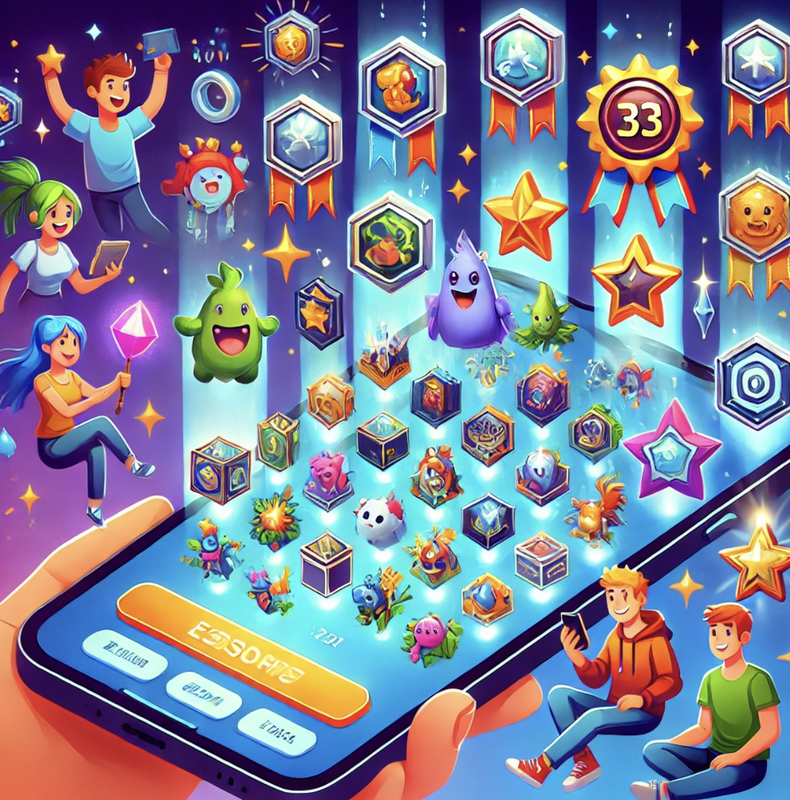
The Allure of Collectible Elements in Mobile Games: Why We Love to Collect
In the ever-evolving landscape of mobile gaming, one trend has not only endured but flourished over the years—collectible elements. Whether it's rare characters, unique skins, seasonal badges, or digital pets, the act of collecting within a game has proven to be one of the most powerful tools for engaging players. It taps into deep psychological triggers: completionism, ownership, and even social status. These virtual treasures add layers of depth and satisfaction to gaming that go far beyond mere progression. To better understand what’s real and what’s simply cleverly packaged, take a look at some user experiences at the link where mobile app credibility is put to the test—and the distinction between authentic entertainment and imitation is revealed in surprising ways. But what makes collectible content in games so universally compelling, and how are modern developers leveraging it to keep players hooked?
The Psychology of Collecting in Games
At its core, collecting is about more than just accumulating items—it's about fulfilling a need. Psychologists have long associated collecting behaviors with the human desire for control, memory preservation, and personal identity. In mobile games, this translates to acquiring rare or limited-time elements that give players a sense of individuality and achievement.
Game designers capitalize on this by implementing layered systems that reward players not only for completing tasks but also for unlocking collections. This could be through events, in-game milestones, or even surprise drops. By intertwining gameplay mechanics with the collection process, developers craft an experience that feels both rewarding and personal.
Mobile game users, especially those immersed in adventure and RPG genres, find particular joy in curating collections that reflect their playstyle. From character cards to creature compendiums, these collections serve as digital showcases of time, strategy, and exploration.
How Collectibles Create Long-Term Engagement
The most successful mobile games are those that don’t just provide a start and an end, but rather, offer ongoing reasons to return. Collectibles play a massive role in this strategy. By introducing daily quests, seasonal collections, or rotating special editions, developers instill a sense of urgency and anticipation.
Players are often motivated to log in daily just to progress toward the next collectible or event-limited item. This pattern boosts engagement, retention, and social interaction. Leaderboards, trading systems, and cooperative collection challenges further deepen the experience, fostering communities built around shared passion.
Notably, many modern titles incorporate storytelling into collectible systems. A particular item might unlock a backstory, reveal lore, or open up new pathways. This narrative reward system appeals to a broad audience—both casual and hardcore players—by giving emotional weight to virtual objects.
Rummy Noble: A Case Study in Design and Trust
While discussing mobile gaming, it's worth spotlighting platforms that have recently made waves, such as Rummy Noble. Known for its sleek design and consistent performance, this app has rapidly gained traction among users in India. Its intuitive interface and fluid gameplay ensure that players can focus on enjoyment without unnecessary friction.
What sets Rummy Noble apart isn’t just its visual appeal or technical stability—it’s the added focus on user trust. The app includes a secure APK framework that offers an additional layer of protection. This is particularly reassuring for users wary of digital clones or faulty copies masquerading as the real deal. In a mobile ecosystem filled with options, Rummy Noble distinguishes itself by offering genuine, safe, and enjoyable experiences.
Community and Social Value of Collectibles
One of the most overlooked aspects of collectible items in mobile games is their ability to foster community. Players often exchange tips, display their collections on social media, or compare progress in dedicated forums. This creates a sense of belonging and healthy competition.
Developers who support this behavior by adding social mechanics—such as sharing features, collection stats, or even public profiles—strengthen the emotional ties between players and the game. Collections become more than just personal achievements; they are social capital in a community of like-minded enthusiasts.
Even more compelling are collection-based collaborations where friends or clan members work together to achieve collective goals. Whether it’s unlocking a shared trophy or completing a group event, these mechanics turn solitary gameplay into meaningful cooperation.
A Look Into Gamified Collections Across Genres
Although RPGs and strategy games are most commonly associated with collectibles, the trend spans across genres. Puzzle games often use stickers or stamps as progress markers. Simulation games like city-builders include limited-edition buildings or decorations. Even rhythm games integrate exclusive songs or outfits for avatars as collectible incentives.
This genre diversity ensures that the joy of collecting isn't confined to a specific type of player. Casual gamers can enjoy collecting cute pets or garden tools, while hardcore players may chase after high-tier armor sets or rare skill cards. The system’s flexibility is a testament to its universal appeal.
Rummy Noble: Beyond Just a Game
Returning to Rummy Noble, it’s important to recognize that it has become more than just a gaming app—it serves as a benchmark for how trust and user experience can coexist in mobile design. Many users have praised the app's consistency, especially in how it handles system updates and preserves user preferences.
Additionally, the platform has cultivated a reputation for listening to feedback. This responsiveness shows in regular app improvements and clear communication with its community. For those exploring mobile apps, finding one with such transparency and commitment can be rare.
Seasonal and Limited-Time Collectibles: FOMO at Play
Nothing fuels collection urgency quite like the ticking clock of limited-time offers. Seasonal collectibles—like Halloween-themed avatars or New Year badges—play directly into players’ fear of missing out (FOMO). These time-sensitive rewards boost daily activity and create spikes in user engagement.
Players often prioritize these temporary challenges over standard gameplay because they know they might never have the chance again. Developers use this to their advantage by tying exclusive collectibles to in-app achievements, countdown events, or mini-games.
Such events, if well-designed, don’t just increase participation—they also create lasting memories. Long after the event is over, players remember it through the items they obtained, forming emotional connections with the game.
The Economics of In-Game Collections
Although we avoid discussing monetization directly, it’s impossible to ignore the ecosystem that surrounds collectibles. Many games feature optional enhancements that allow users to accelerate their collection journey. While core content remains accessible, additional features often serve those who want to deepen their commitment or personalize their gameplay.
What’s crucial here is balance. Players are more likely to engage long-term when they feel that collections are earned through effort, not locked behind unachievable milestones. Transparency in design and progression systems helps maintain trust and prevents user fatigue.
Innovation and the Future of Collectibles
Looking ahead, we can expect mobile games to push the boundaries of collectible systems. With the rise of augmented reality (AR), collectibles may soon become interactive or geolocation-based. Imagine capturing a rare item in your city park or trading location-exclusive items with friends from different regions.
Artificial intelligence and machine learning may also be used to personalize collections. Future systems could recommend collectible paths based on a player’s habits, preferences, or historical activity—making the experience even more rewarding.
And with the growing interest in digital ownership (though not in the traditional blockchain sense), developers might experiment with ways to give players deeper control over their collections—perhaps even exporting them across games or platforms.
Collectible elements in mobile games are more than just aesthetic add-ons—they are strategic, emotional, and deeply personal. They tap into core human drives and deliver satisfaction that keeps players coming back. By blending psychological insight with smart game design, developers craft worlds that invite exploration, pride, and community.
Apps like Rummy Noble show us that success in this space isn't just about game mechanics—it’s about trust, performance, and creating an environment where users feel safe and valued. As technology advances and user expectations grow, one thing remains clear: the love of collecting is here to stay, and it will continue to shape the future of mobile gaming for years to come.
